
Hatteras, NC, United States
Coastal Escape for Two at Eagle Pass Cabina!
Romantic Hideaway in the Heart of Hatteras! Looking for the perfect couple’s retreat? This peaceful and one-of-a-kind coastal getaway is made for two — tucked away in Hatteras with easy access to both the Atlantic Ocean (0.4 mi) and the tranquil Pamlico Sound (0.5 mi). Whether you're planning a romantic weekend, celebrating something special, or just craving quiet coastal time together, this serene space offers the perfect blend of charm, adventure, and relaxation!
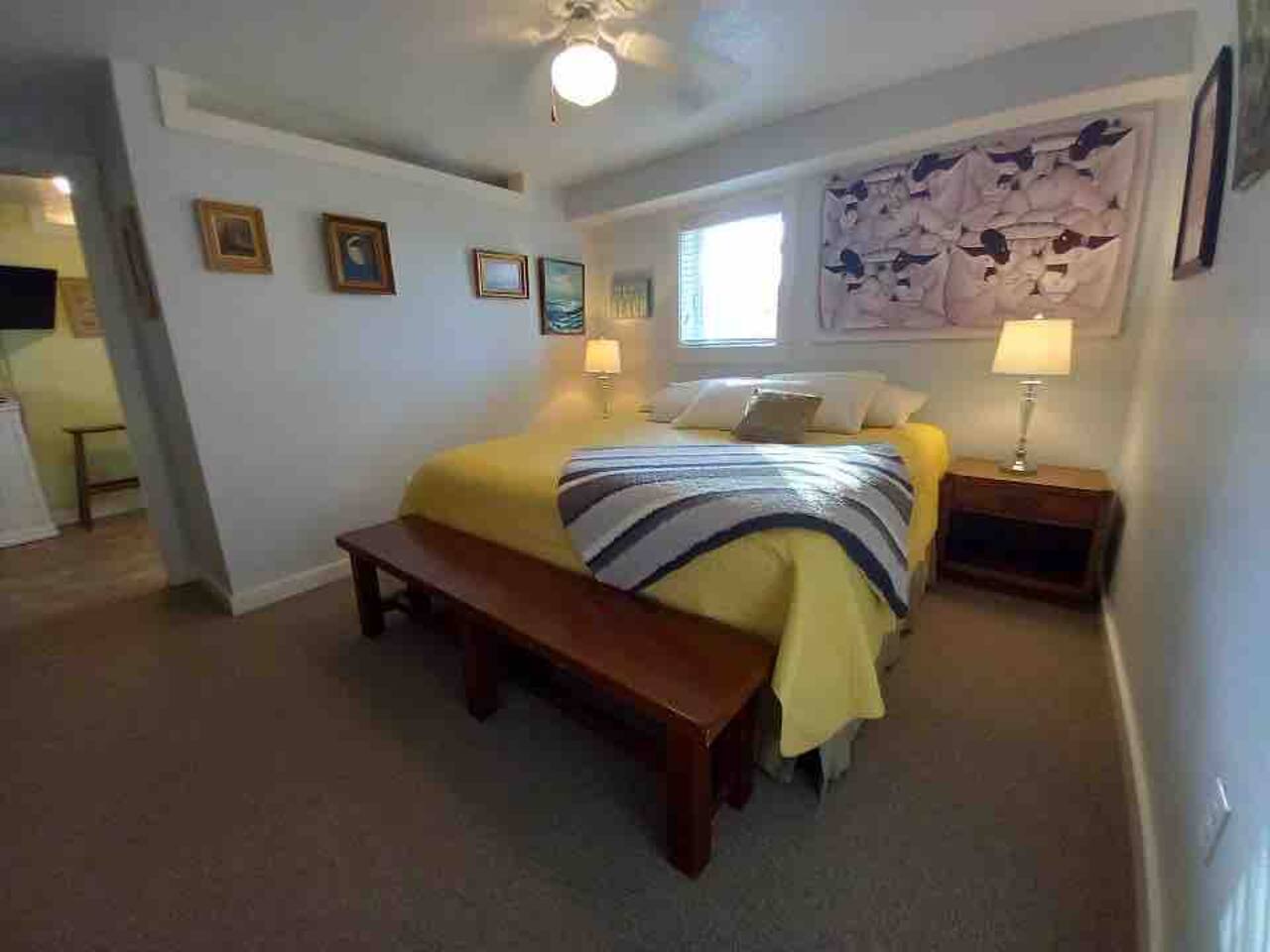
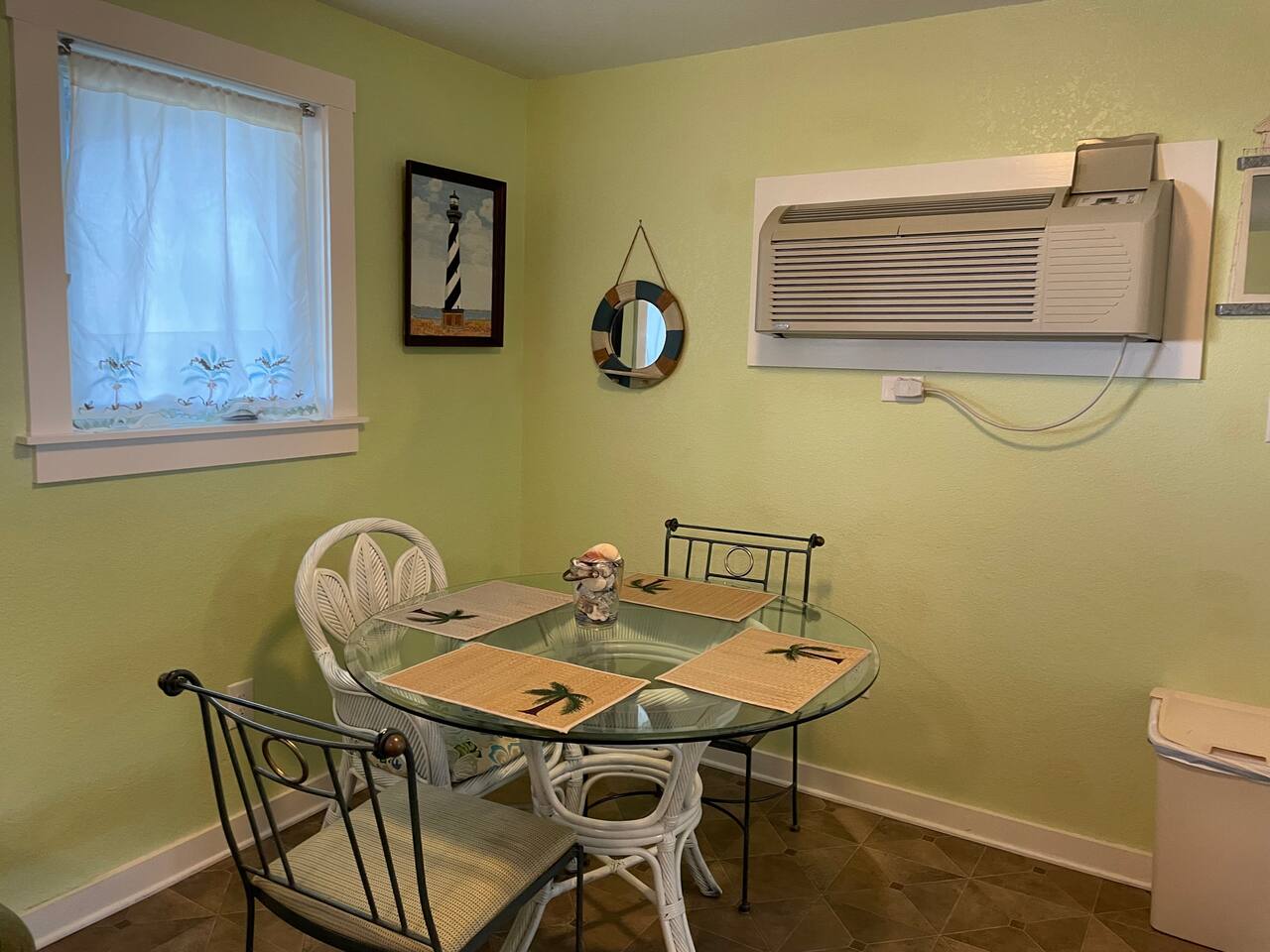
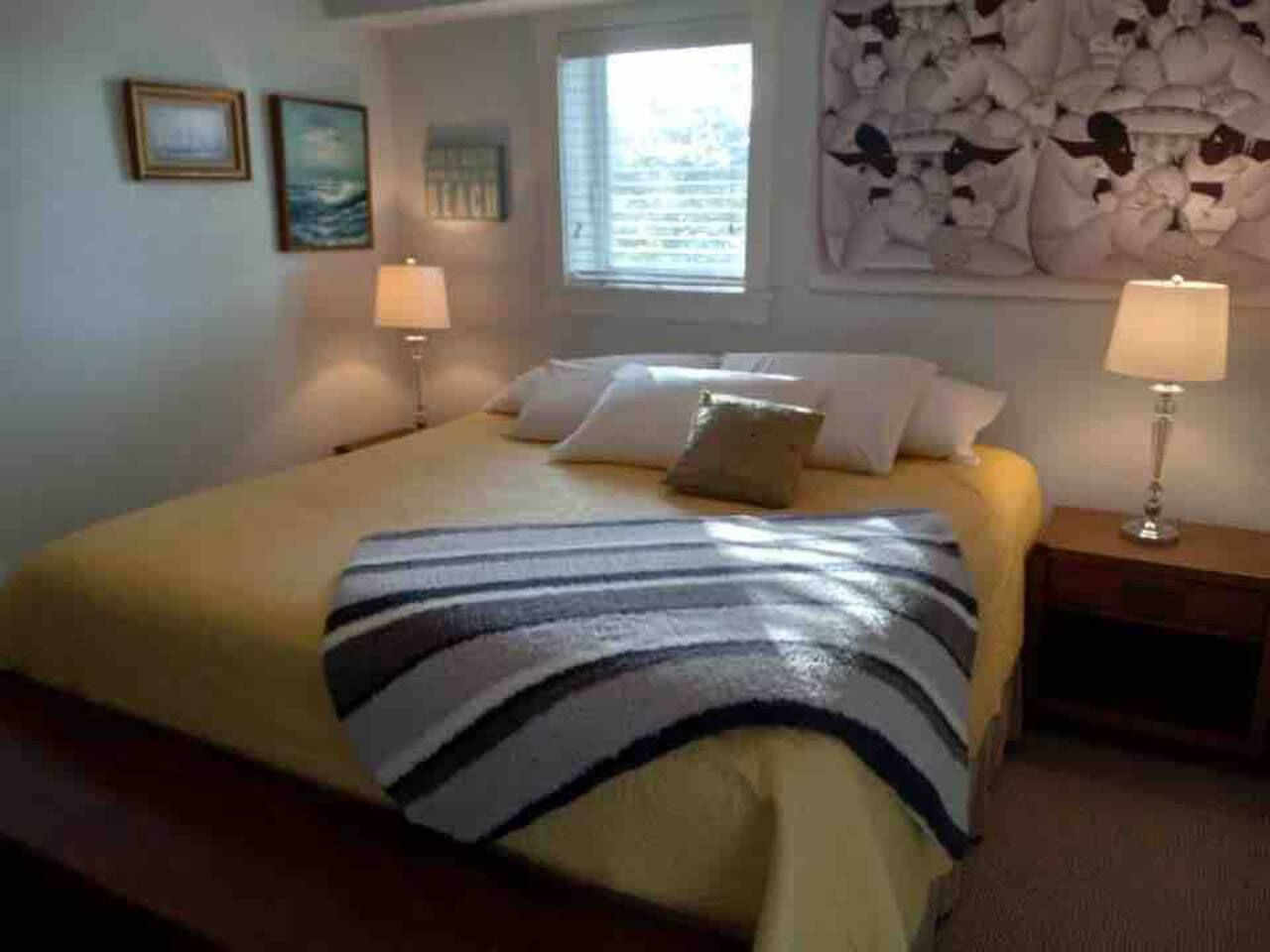
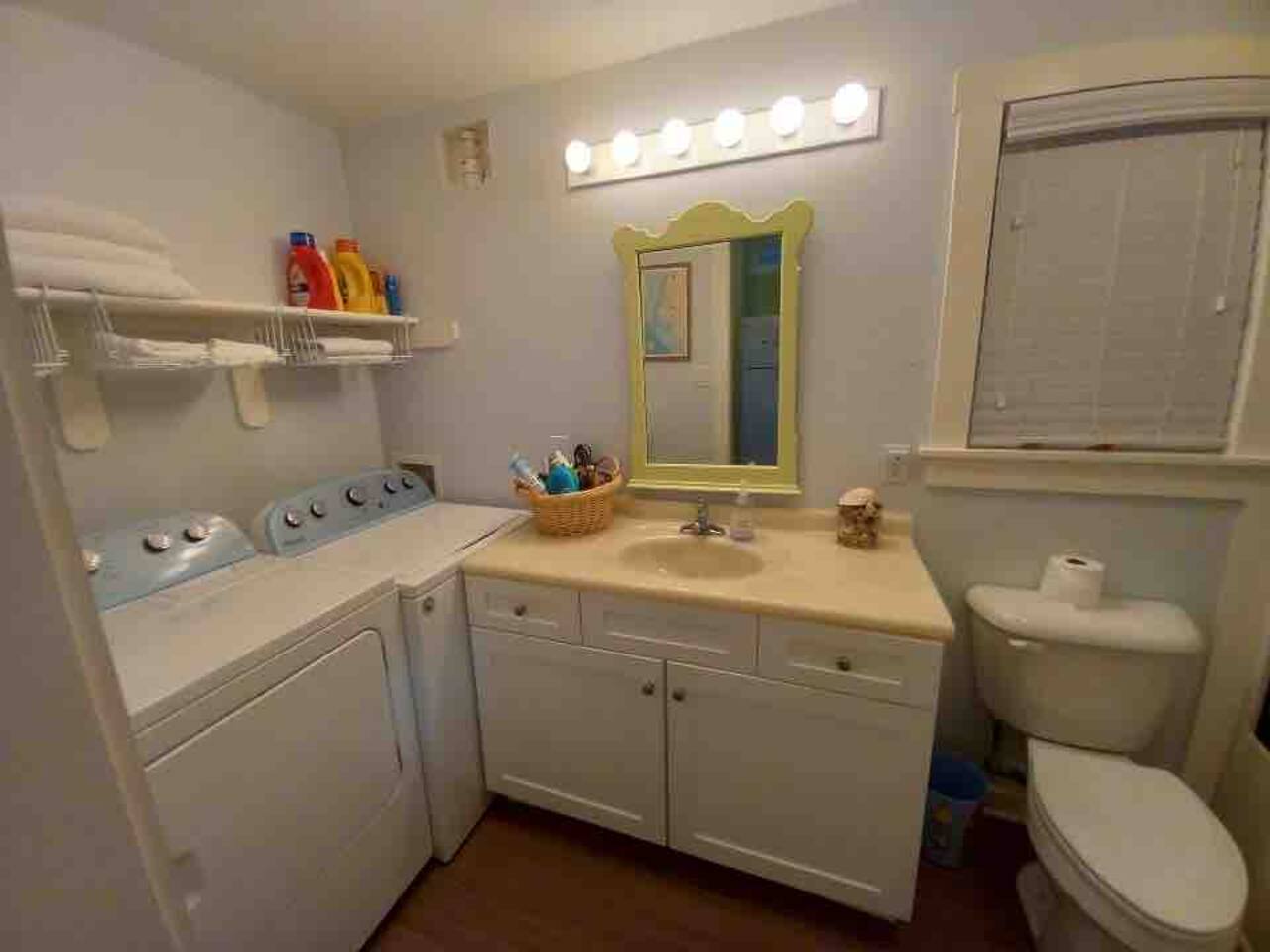
Good to know
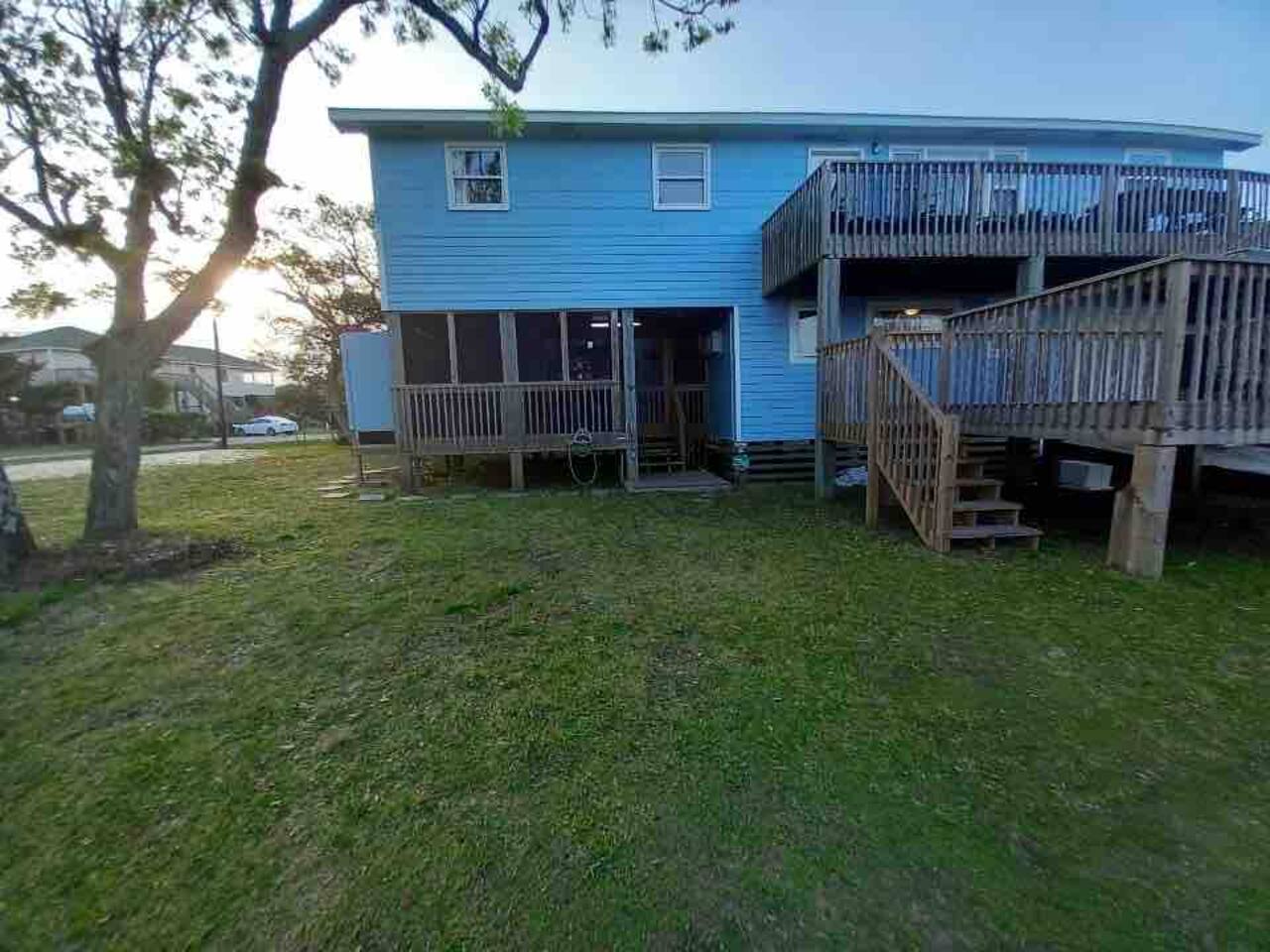
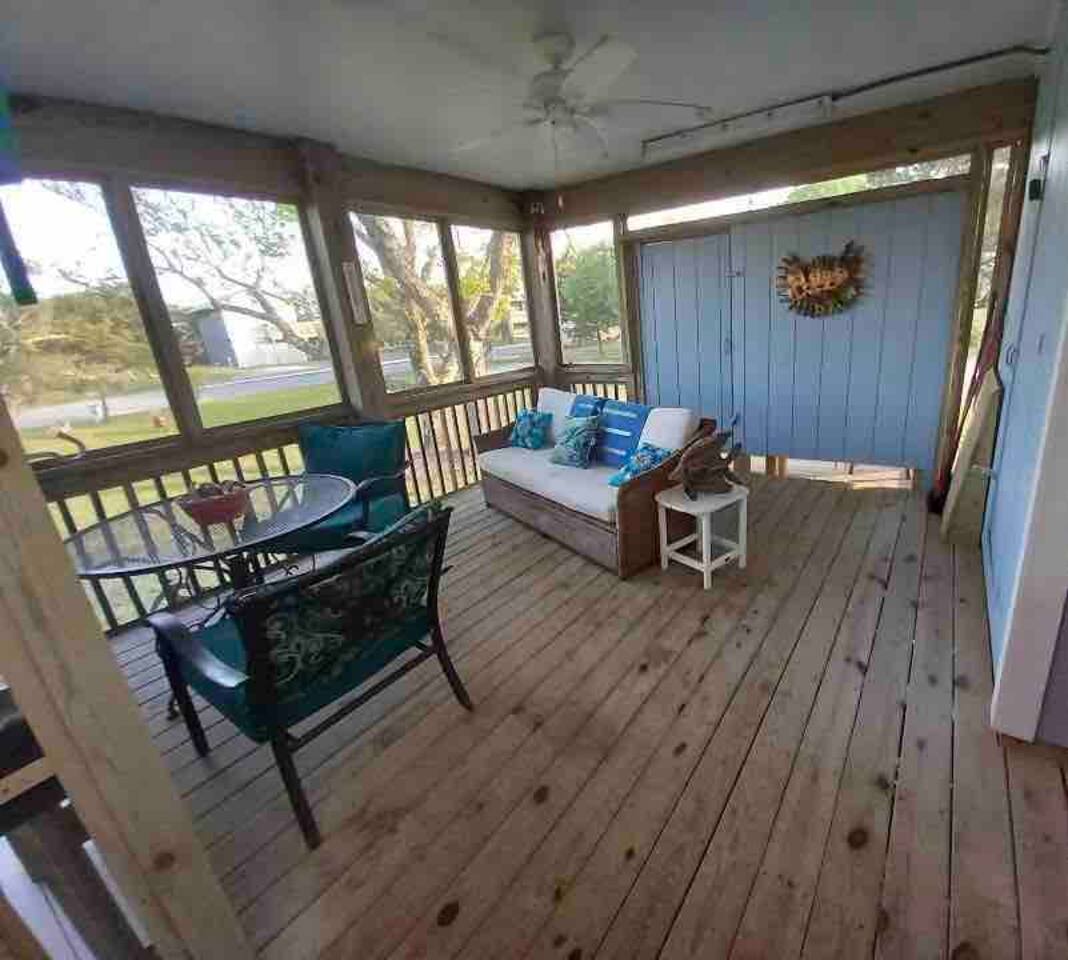
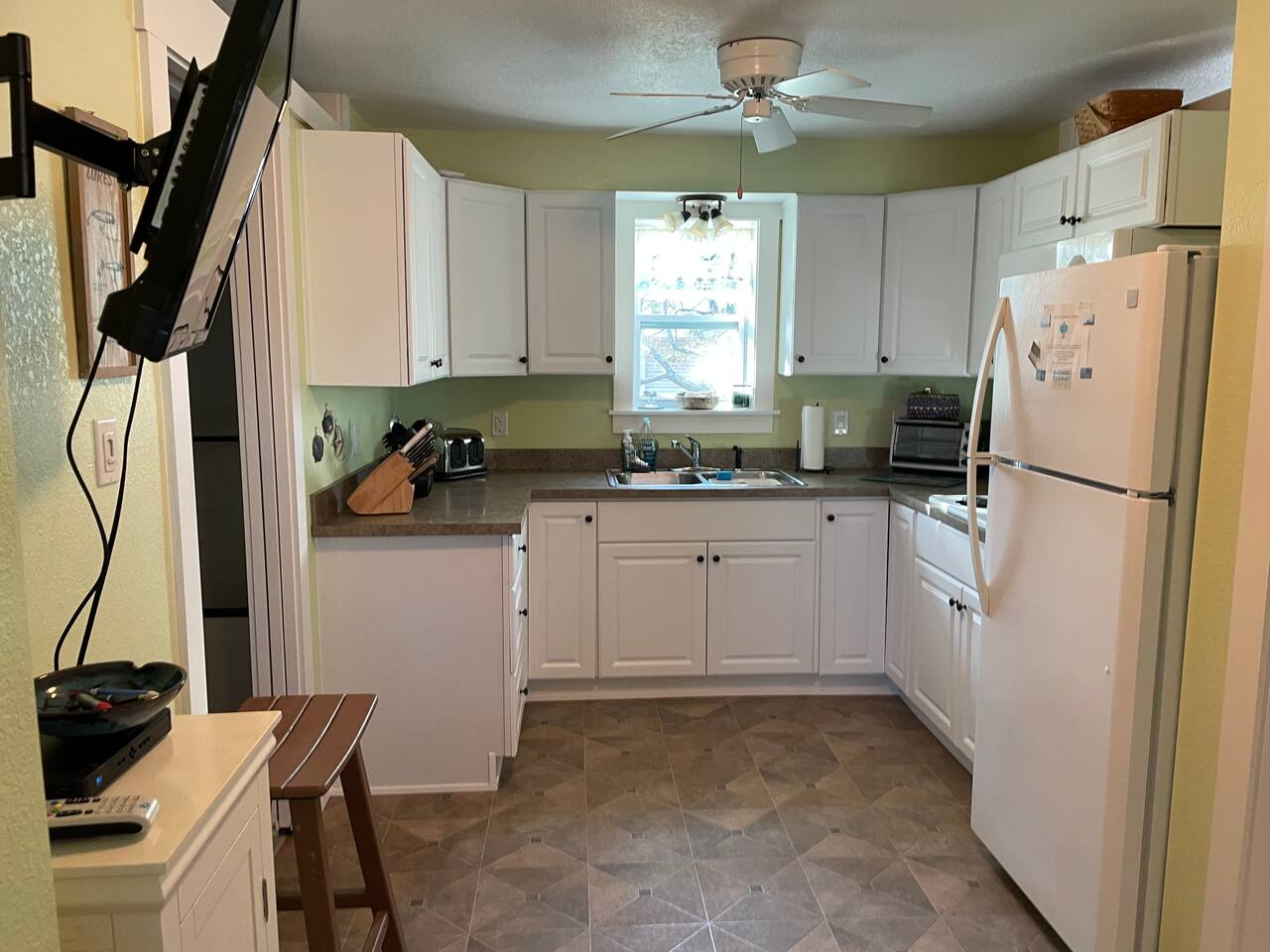
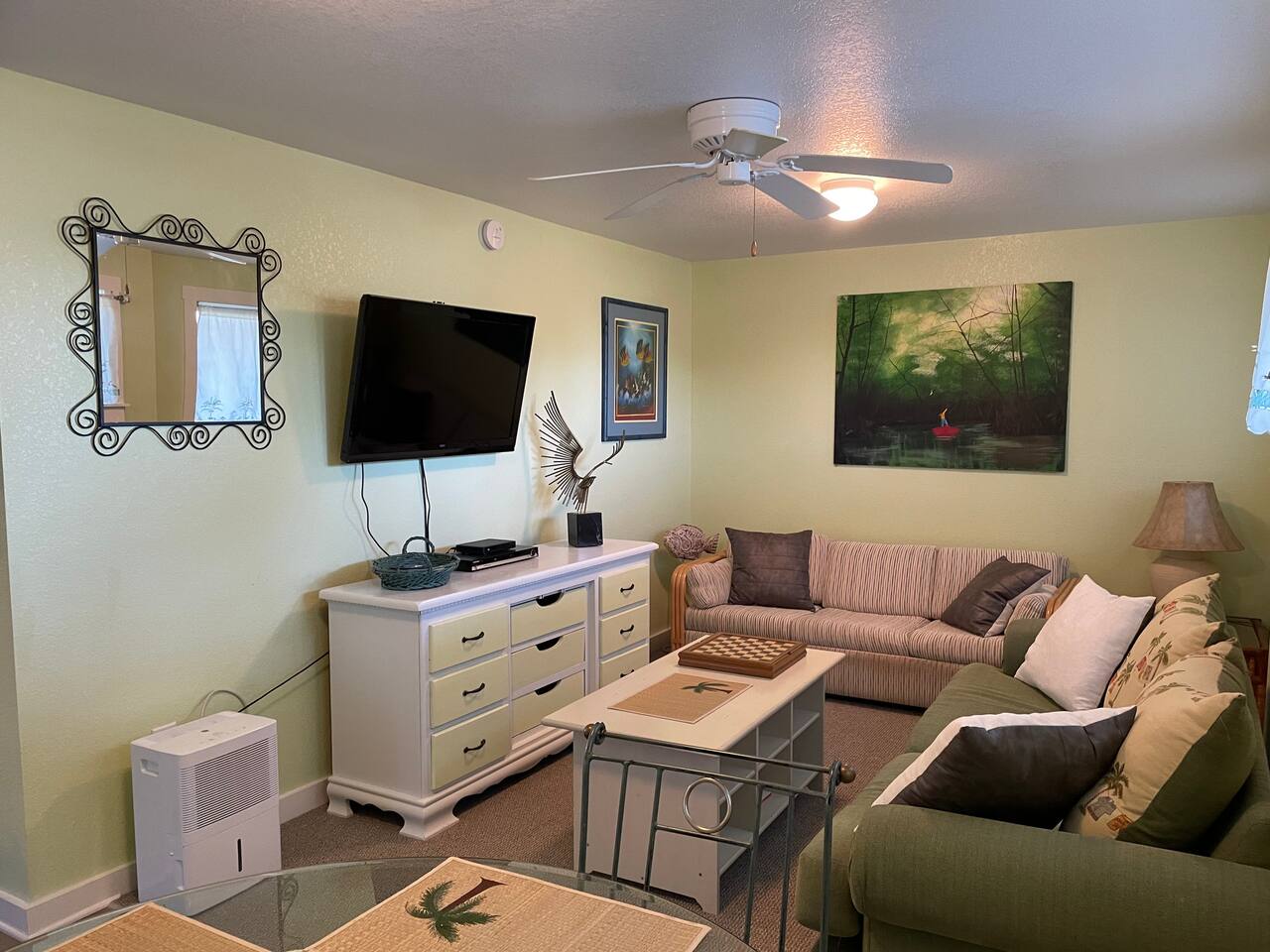
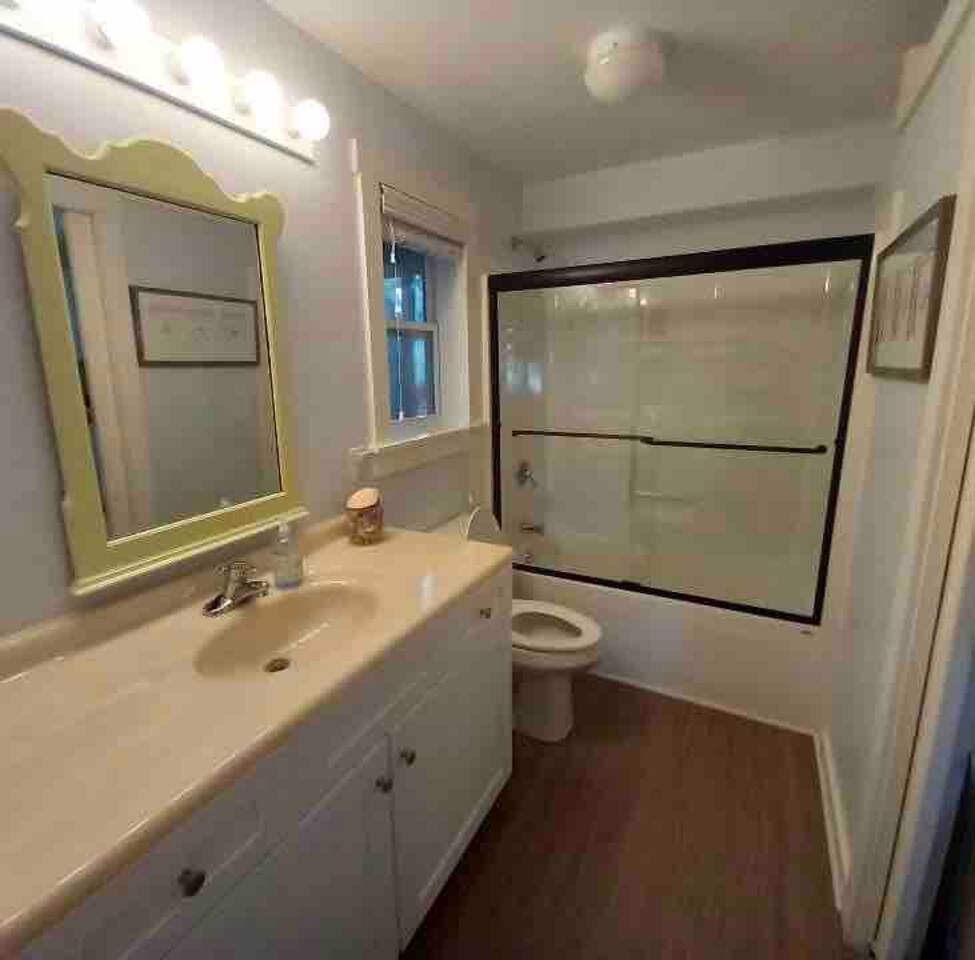
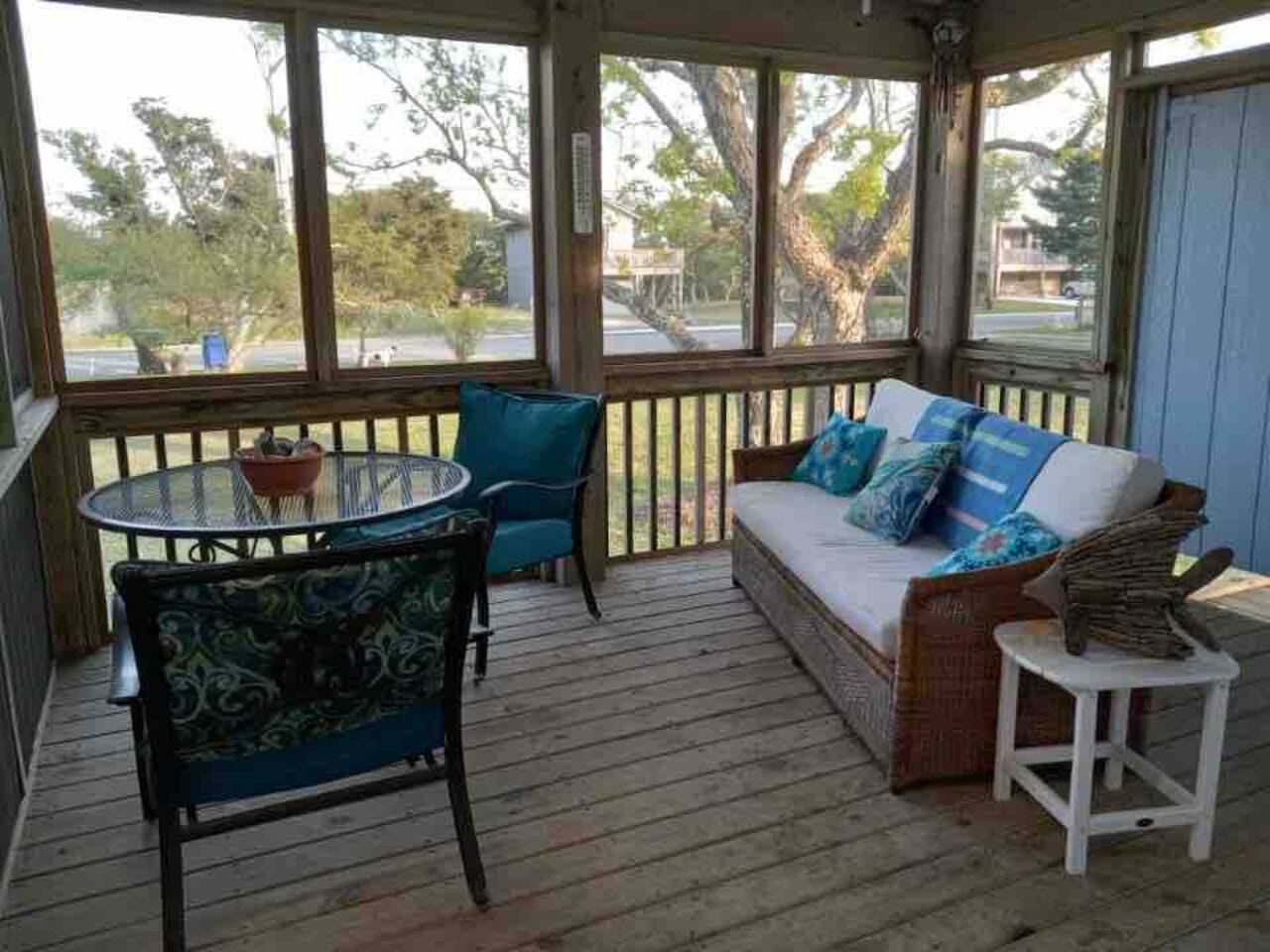
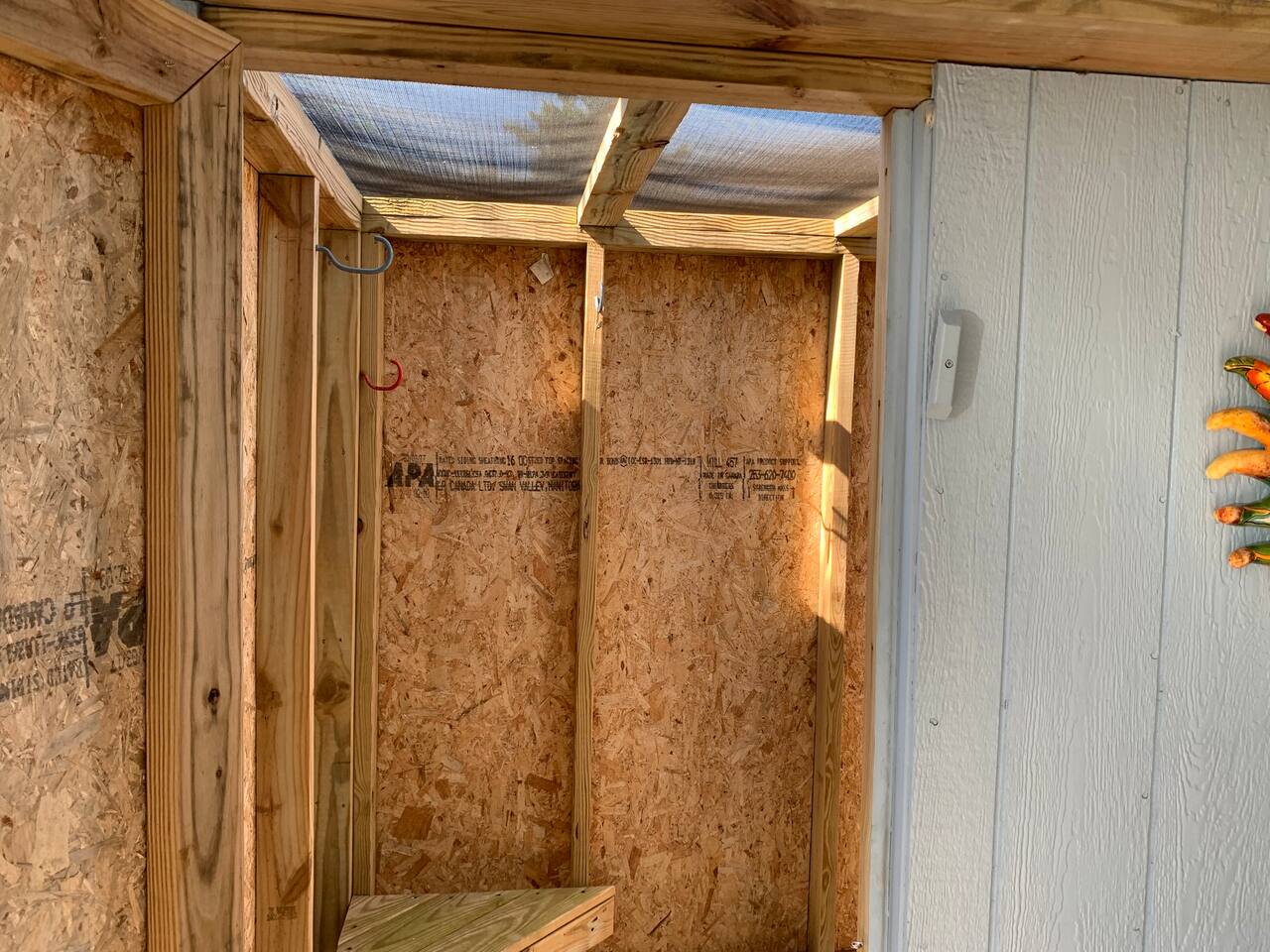
🌅 Start your mornings with a stroll to the beach or a peaceful moment by the Sound 🚲 Explore the charm of Hatteras by foot, bike, or car – local shops, seafood markets, and cozy restaurants are all close by 🚢 Hop on the Hatteras Ferry for a magical day trip to Ocracoke Island – with 16 miles of untouched beaches, quaint village vibes, and unbeatable Sound views Book your Hatteras hideaway now – and let the ocean breeze do the rest.... Full kitchen, bedroom with TV, living room with TV, full bathroom with laundry facilities, screened in porch and outdoor shower! Located conveniently off Route 12! A comfortable spot to relax and enjoy the slower pace of Hatteras living. Cook your meals at home in your full kitchen, enjoy sitting outside on the screened in porch and showering in the outdoor shower that is also screened in! Easy access to all that Hatteras has to offer!
House Rules
Please respect our neighbors by keeping noise to a minimum after 10pm and before 8am. Detailed house rules will be sent over to you via AirBNB message as soon as your reservation is confirmed. If you have questions about these prior to booking please do ask your host!
Other Details to Note
One bath towel and wash cloth provided per person. Please do bring your own recreational towels!
What this place offers
Common
- Air conditioning
- Cooking basics Pots and pans, oil, salt and pepper
- Dishes and silverware
- Dryer In the building, free or for a fee
- Essentials Towels, bed sheets, soap, toilet paper, and pillows
- Hair dryer
- Heating Central heating or a heater in the listing
- Kitchen Space where guests can cook their own meals
- Dedicated workspace
- TV
- Washing Machine In the building, free or for a fee
- Wifi
Bathroom
- Hot Water
Bedroom and laundry
- Bed linens
- Extra pillows and blankets
- Hangers
- Iron
- Clothing storage
Common
- Air conditioning
- Cooking basics Pots and pans, oil, salt and pepper
- Dishes and silverware
- Dryer In the building, free or for a fee
- Essentials Towels, bed sheets, soap, toilet paper, and pillows
- Hair dryer
- Heating Central heating or a heater in the listing
- Kitchen Space where guests can cook their own meals
- Dedicated workspace
- TV
- Washing Machine In the building, free or for a fee
- Wifi
Bathroom
- Hot Water
Bedroom and laundry
- Bed linens
- Extra pillows and blankets
- Hangers
- Iron
- Clothing storage
Family
- Board games
Heating and cooling
- Ceiling fan
Home safety
- Carbon monoxide detector
- Fire extinguisher
- First aid kit
- Smoke detector
Kitchen and dining
- Baking sheet
- Blender
- Coffee maker
- Dining table
- Freezer
- Microwave
- Oven
- Refrigerator
- Stove
- Toaster
- Wine glasses
Location features
- Beach access
- Private entrance Separate street or building entrance
Outdoors
- Outdoor seating
- Patio or balcony
Parking and facilities
- Free parking on premises
- Single level home No stairs in home
Services
- Cleaning before checkout
- Long term stays allowed Allow stay for 28 days or more
- Luggage dropoff allowed For guests' convenience when they have early arrival or late departure
Accessibility and Availability
Neighborhood
The Outer Banks stretch along North Carolina’s coast like a necklace jeweled with lighthouses. A once-wild place that’s played a part in our nation’s history from the first English child born in the New World to the first flight taken by humankind to the first foothold of the U.S. Life Saving Service (now called the Coast Guard) in North Carolina, much of the wildness has been tamed. Many visitors think of the northern villages – from Nags Head to Duck – and the rows of beach houses, hotels and restaurants as The Outer Banks, forgetting the untamed nature and the yesteryear charm of Hatteras Island. Simply put, Hatteras Island is the only place where you can experience a bit of what life was like on the Outer Banks before the world found us. Seven villages, two lighthouses, and one National Seashore make up Hatteras Island. In every village and town – Rodanthe, Waves, Salvo, Avon, Buxton, Frisco, and Hatteras Village – the past rubs up against the present and in waters where wooden fishing boats once hauled in the day’s catch in a hand-woven net, sleek fishing boats carry charters out to the Gulf Stream and modern trawlers haul in a ton of shrimp at a time; the Bodie Island and Cape Hatteras Lighthouses run on electricity, not whale oil, but their lights shine out across the hidden dangers of Diamond Shoals and Oregon Inlet all the same; and everywhere you look it’s unlike any other place in the world. Hatteras Island is unlike anywhere else thanks in part to the Cape Hatteras National Seashore, the first of its kind. Established in 1937 to preserve the integrity of this thin barrier island, the National Seashore limited growth, virtually freezing the villages in time and limiting their ability to grow into the wild woods and dunes of Hatteras Island, instead these small, tight-knit communities remained relatively isolated and their cultures, which developed over more than a century of life on the Banks, distinct. Within Cape Hatteras National Seashore you’ll find all seven of the island’s villages, but also woods, dunes, marsh, and beaches so pristine as to border on perfect. That’s a secret many Hatteras Islanders kept to themselves for years. Families here worked the water for a living, hauling nets full of fish to shore, gathering oysters and clams by the barrel, risking their lives to save the lives of those shipwrecked on the sandbars and shoals just offshore, and for generations their lives remained relatively unchanged. They saw each of the Bodie Island Lighthouses rise from the sand, shine their lights into the sea swept night, and the dim as their replacement rose even higher and more sturdily built. They saw the Hatteras Lighthouse tower above the trees, withstand grapeshot and musket ball in the Civil War, and, much later, in 1999, move inland, away from the encroaching sea. Hatteras Island has seen shipwrecks (so many that this part of the coast is called The Graveyard of The Atlantic), pirates (including Blackbeard), the ravages of the Civil War and later the German U-Boats of World War II. Storms. Its villages have gone by a dozen names. Through it all, the island and its people have persisted and today Hatteras Island is a haven for those seeking the unspoiled nature of the Outer Banks, for surfers looking for that perfect break, for anglers looking to avenge the one that got away, for families building generations of memories in a cherished place, and for the locals who love this island like no other. Hatteras Island Recreation There’s no shortage of things to do on Hatteras Island, but by that same token, you’ll be hard pressed to find the arcades and mini golf and go karts and boardwalks of other beach towns. Instead, things are simpler here. Folks come to climb the lighthouses or to paint them or find the perfect angle for a jaw-dropping photograph. Anglers come for the charter fishing fleets at Oregon Inlet and in Hatteras Village, and with the Gulf Stream only 15 miles offshore, they come for sportfish within easy reach. Anglers also head to the inshore waters of the Pamlico Sound and the marshes and creeks there. And they come for the beach, to drive their 4x4s onto the sand and find an isolated spot where they can surf cast and watch pelicans dive for their dinner. Visitors come to slow down, to take a breath, to be the only ones on the beach and to reconnect with their families and friends and themselves. Horseback riding, wildlife watching – and even waterfowl hunting, in season, of course – surfing some of the most consistent breaks on the East Coast, these things call visitors to the campgrounds and oceanfront homes and mom and pop motels. On the Pamlico Sound you’ll see kayakers and standup paddleboarders, even kiteboarders being pulled along by their giant parachute-like kites. On the wooden fishing piers in Rodanthe and Avon you’ll find locals – long-time transplants, transplants who have recently arrived, and the fourth or fifth or sixth generation Hatteras Islanders – fishing alongside visitors. Hatteras Island is a wild place, a perfect place, a place like no other. It’s the Outer Banks as they used to be. It’s full of charm and hospitality. It’s waiting to be discovered by you, to show you the whole history of the Outer Banks. Hatteras Island is waiting to give you an experience that’ll have you coming back year after year after year and counting the days until you’re standing in the shadow of the Cape Hatteras Lighthouse again. Hatteras is here, it always has been; now’s your time to discover what it has in store for you. Outer Banks National Scenic Byway You’ll notice roadside signs beginning near the entrance to Cape Hatteras National Seashore bringing to your attention that you’re now on the Outer Banks Scenic Byway. Both the National Seashore and National Byway begin at the same spot, but they end in different places. Whereas Cape Hatteras National Seashore is 70 miles long, the Outer Banks Scenic Byway runs the length of Highway 12 in the National Seashore and continues further via ferry to its southern terminus in Carteret County to our much farther south. The Outer Banks Scenic Byway is one of three national scenic byways in North Carolina, recognized for its cultural contributions to our state heritage and identity alongside the unencumbered natural beauty and pristine setting. Places like Chicamacomico US Life-saving Station and Graveyard of the Atlantic Museum help expand the story of the Outer Banks Scenic Byway along with a growing number of wayfinding signs and roadside venues noted for their historic and cultural values, from simple vistas and overlooks to signs noting historic events in the American story. Bodie Island Lighthouse The Cape Hatteras National Seashore begins at Whalebone Junction and what’s known as Bodie (pronounced “body”) Island. Yes, an inlet once separated Bodie Island from Nags Head and the northern Outer Banks, but it’s since filled in. Still, Bodie Island, with its protected beaches, maritime woods, and extensive marsh complex sets the stage for what’s to come on Hatteras Island, including the Bodie Island Lighthouse, which together with Cape Hatteras Lighthouse and Ocracoke Lighthouse make three such guardians in the Cape Hatteras National Seashore. As you head south from Whalebone Junction, it doesn’t take long for the black crown of the Bodie Island Lighthouse to appear above the tops of the pines. Standing 156’ high, the Bodie Island Lighthouse towers over the island, casting its warning light far out to sea. Upon first glance you’ll find the Bodie Island Lighthouse irresistibly photogenic. Its black and white striped paint job – distinct paint jobs like this are known as “daymarks” and allow sailors to tell one lighthouse from another; lighthouses also have a unique “nightmark” in the pattern of their blinking light – makes it a lovely sight from any angle, but there’s more to do here than just snap a few pics to share with your family and friends. The lightho...
Guest Access
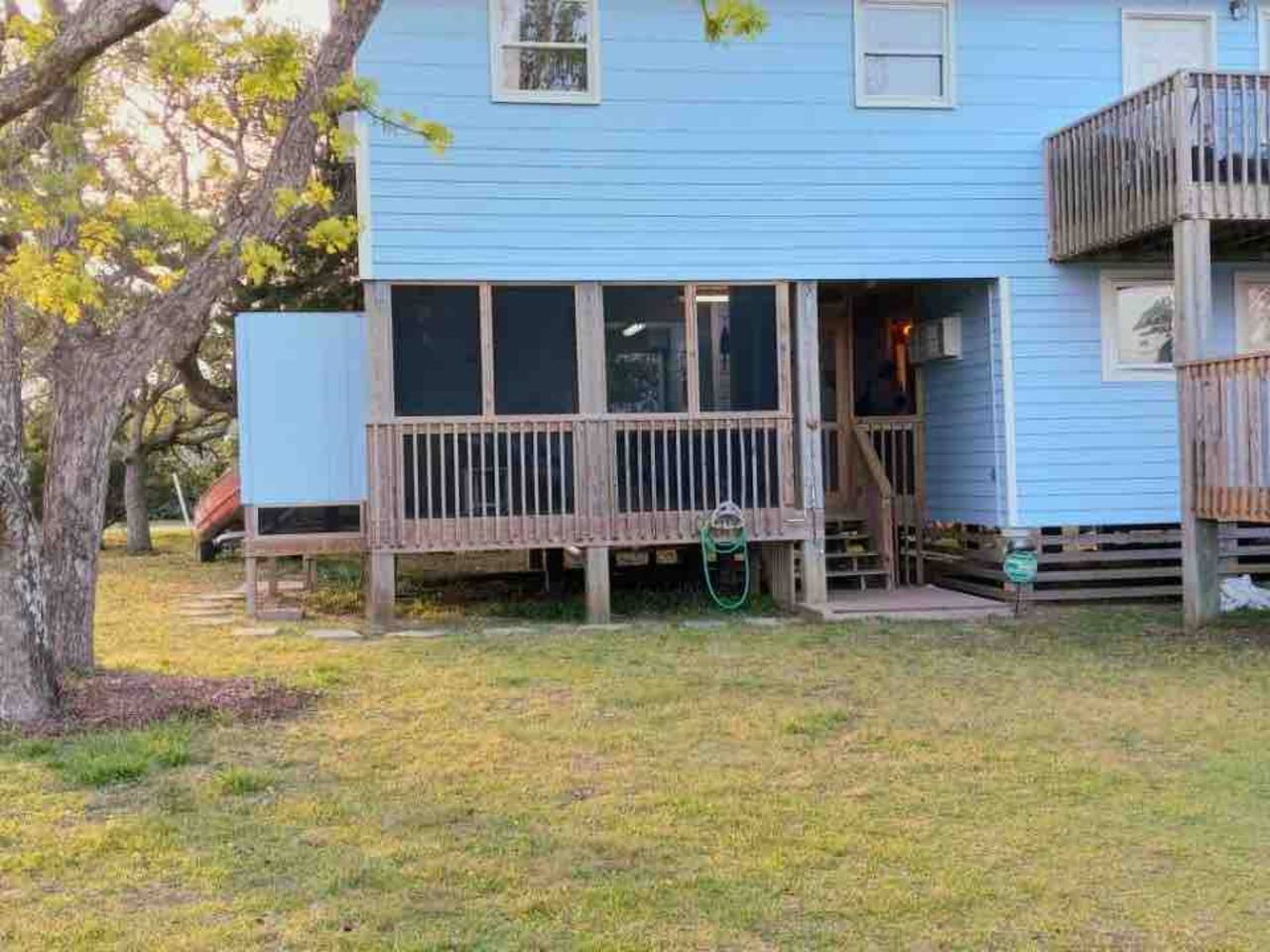
You have access to the lower level of the home, screened in porch and entire private space. Local family lives on the second level.
Reviews


Find us
Walk, bike, Drive, Uber/Lyft/Local Taxi!
Sorry we're unable to show you the location for this property
Approximate location. Full address will be provided on booking.